From the Cockpit Country to the Treaty of 1738
The history of the Trelawny Maroons is not merely a story of escape from slavery; it is a story of nation-building in the face of impossible odds. Long before the American Revolution, the Maroons of Jamaica had forced the British Empire to its knees.
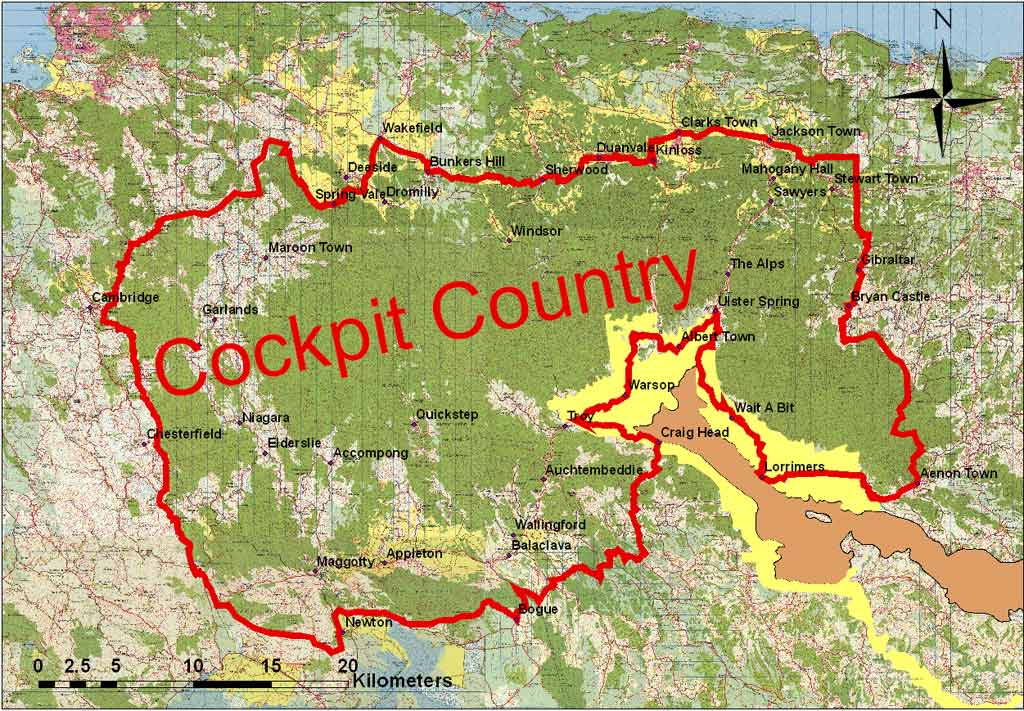
In the rugged limestone hills of the Cockpit Country—a terrain so treacherous that British soldiers could barely traverse it—a community of escaped Africans forged a new society. Led by the brilliant strategist Cudjoe, the Leeward Maroons waged an 80-year war against the colonial militia.
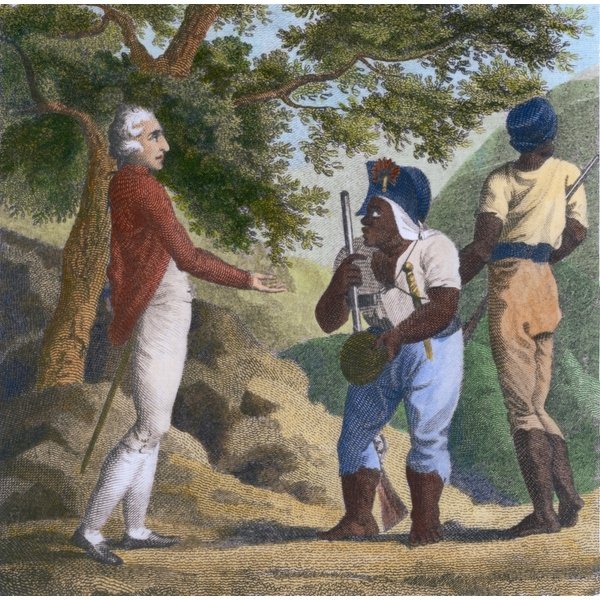
By 1738, the British realized they could not win militarily. Governor Edward Trelawny authorized a peace treaty—the first of its kind in the Caribbean. Signed by Captain Cudjoe and British officers, it granted the Maroons:
However, this treaty came with a heavy price: the Maroons were required to return future runaways to the plantations. This "Blood Oath" would create a complex and painful relationship with the enslaved population associated with them, a tension that would echo through history.
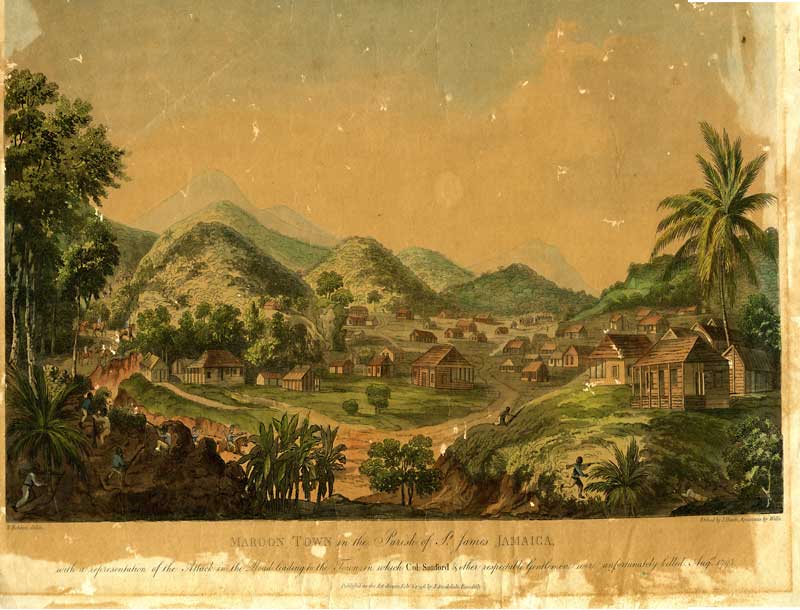
For over 50 years, Trelawny Town flourished. It became the largest Maroon settlement, a bustling community of 600 people living in relative peace. But as the town grew, so did the envy of the neighboring planters—and the anxiety of the British administration.
The "peace" was fragile. The colonial government, terrified by the Haitian Revolution next door, began to look for any excuse to dismantle Maroon autonomy. In 1795, they found one.